The Hidden Benefits of Respite Care in Cardiff

Whether you’re in Cardiff or the surrounding area, respite care can make a huge difference to carers and those they look after. Respite care (short breaks from caregiving) is simply a temporary service where someone else looks after your loved one so you can take a break. It might be a few hours of home care, a day at a local centre, or a short-term stay in a care home. The key point: respite care lets caregivers rest and recharge while knowing your loved one is safe and happy.

Why carers need respite care?
Caring for someone 24/7 is exhausting, both mentally and physically. Respite care lets you step back and look after your own needs for a while. It helps prevent burnout and stop you becoming exhausted and run down. Think of it as a pit stop: a chance to rest, sleep, exercise or simply enjoy time with friends. This break can give you renewed patience and resilience when you return to your loved one’s care.
- Reduce stress: Short breaks improve mental health and stop the constant worry from overwhelming you.
- Maintain relationships: You can reconnect with your family or partner, and keep friendships alive. Scope highlights that carers deserve personal time for leisure or work.
- Boost confidence: Getting support is not “giving up.” In fact, Age UK explains that taking a break “could help you care for them better, for longer”.
- Lower guilt: Knowing your loved one is being cared for competently (in a recognised setting like ours) lets you relax without feeling guilty.
How carers benefit in practice
Imagine finally getting a good night’s sleep, attending that postponed doctor’s appointment, or simply taking a walk without worry. These activities recharge you. Many carers report returning to their role with renewed energy and positive outlook after just a short break (for example, enjoying hobbies or quality time away). Importantly, respite care is there before you hit crisis point, you don’t need to wait until you are completely exhausted.
How respite care helps your loved one
Respite care isn’t just for you, it can also enrich the life of the person you care for. A temporary stay breaks the routine and offers new social interactions.
Reduced carer pressure: Knowing their main carer is rested can actually make your loved one feel more at ease. They see you coping better and are less worried about “being a burden.”
Social stimulation: Attending a day centre or short stay introduces companionship and conversation. Alzheimer’s Society notes that trying new activities helps keep minds active and gives the person something to look forward to.
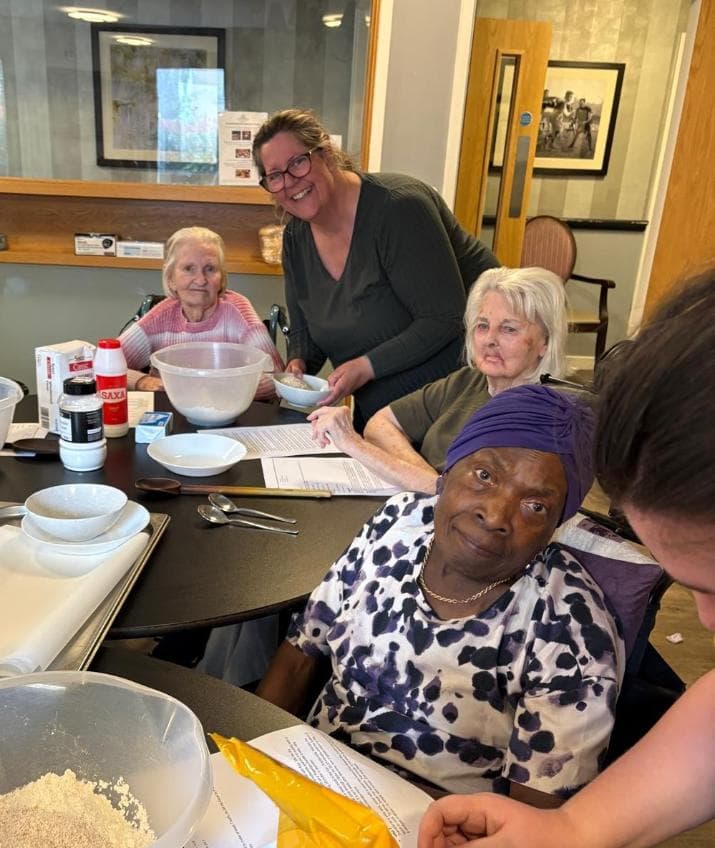
Engaging activities: At Tŷ Llandaff, we offer creative programs (painting, music, gentle exercise) designed for older adults. These activities can boost mood and cognition, combating loneliness.
A change of scene: For someone who spends most time at home, a short break can be revitalising. It shows them new environments and routines, often with positive cultural experiences (we even have Welsh sing-alongs and language chats to enliven the day!).

How do I arrange and fund respite care?
Getting a break is your right: In Wales, carers are entitled to a carer’s assessment. If you or your loved one need extra support, ask your local council for an assessment. This can identify the best type of respite (even planning a future holiday break) and explain any contributions required.
- Short-term breaks: In Wales, stays up to 8 weeks are treated as temporary respite. Often, the local authority will help arrange and partly fund a care home respite stay if a needs assessment agrees it’s required.
- Means testing: If your loved one has savings over the upper capital limit (£23,250 in England & Wales), you may have to pay. But even self-funders can often use equity or deferred payment schemes – check MoneyHelper or Age Cymru guides.
- Financial support: You might still get benefits. For example, carers can claim Carer’s Allowance, even if on a short break, and the cared-for person may receive Attendance Allowance or Pension Credit that can fund part of respite. (It’s best to ask a specialist or your council’s carers’ centre for personalised advice.)
Transparent pricing at Tŷ Llandaff: At our home, we offer all-inclusive respite packages (covering accommodation, meals, activities and care). You’ll receive a clear quote upfront. But do compare local authority options too, many councils have links with local care homes for planned respite, which may lower the cost.


Frequently Asked Questions
What types of respite care are there?
Respite can be as short as a few hours or as long as a few weeks. It includes: daytime sitting services, home care visits, day centres, short stays in care homes (like Tŷ Llandaff), or even facilitated holidays. Each can be arranged either privately or via council support, depending on needs.
How do I know when I need respite?
Signs you might need a break include constant fatigue, increased stress or anger, neglect of your own health, or strained family relationships. If caring is affecting your wellbeing, that is a strong signal to get help. Remember: taking a break does not mean you’re failing – NHS says respite “helps you take time out to look after yourself”.
Will taking a break harm the person I care for?
Not at all. In fact, a change of scene and new faces can improve their mood. Many report feeling refreshed and happy after a respite stay. As Alzheimer’s Society puts it, short breaks give your loved one chances to try new activities and socialise. And trained staff will ensure their care plan is followed, so their routine is respected.
What should I look for in a respite provider?
Choose a setting that feels safe and engaging. Look for staff trained in dementia (if relevant), varied activity programs, and a warm community vibe. You can also ask about cultural programs (like our Welsh activities) if that matters. Check Care Inspectorate Wales ratings or reviews. Finally, ensure they communicate well with you, a good respite provider will involve you in care planning.
How do I prepare my loved one for a respite stay?
Bring along familiar items (photos, a favourite blanket). Talk positively about the break (“You’ll meet nice people, and I’ll come visit!”). A brief introduction visit or day visit can help ease anxiety. At Tŷ Llandaff, we welcome you both to tour and meet staff beforehand, making the transition smooth.
***The post was updated 09/3/26***
Sources
Carers' breaks and respite care - Social care and support guide - NHS
https://www.nhs.uk/social-care-and-support/support-and-benefits-for-carers/carer-breaks-and-respite-care/
Respite care in Wales | Alzheimer's Society
https://www.alzheimers.org.uk/get-support/help-dementia-care/respite-care-wales
Respite care and short breaks for carers | Disability charity Scope UK
https://www.scope.org.uk/advice-and-support/finding-respite-care-short-breaks
What is Respite Care? | Age UK
https://www.ageuk.org.uk/information-advice/care/helping-a-loved-one/respite-care/