Nursing Care in Cardiff: What to Look For in a Good Nursing Home
The transition to nursing care rarely happens overnight; it usually arrives on the heels of a turning point. It might be a chronic health condition that has quietly become unsafe to manage at home, or a hospital stay that is taking far longer to recover from than anyone expected.
A parent who suddenly needs more support than a family can realistically provide day to day. If you're weighing up nursing care in Cardiff for yourself or a loved one, you're likely trying to work out two things at once: whether it's genuinely time, and how to find a nursing home that will actually deliver on what it promises.
This guide covers who typically needs nursing home care, the difference between a care home and a nursing home in the UK, what to look for in a good nursing home, and the questions worth asking before you decide.
Who Needs Nursing Home Care?
Nursing care is designed for people whose health needs go beyond general day-to-day support. This usually includes people with physical disabilities, high levels of dependency, or a chronic health condition that needs regular clinical attention, alongside those requiring end-of-life care.
In practice, the signs are often a combination of things: reduced mobility that makes everyday tasks harder, medication that's become complex or difficult to manage safely, frequent or lengthy hospital stays, or the need for specialist equipment such as oxygen therapy or wound care. On their own, none of these necessarily mean nursing care is essential. Together, they usually mean the level of support required has moved beyond what's realistic to manage at home, or within general residential care.
The Difference Between a Care Home and a Nursing Home in the UK
This is one of the most common points of confusion for families starting this search, and it matters. A care home, sometimes called a residential home, provides support with daily living: washing, dressing, meals, medication reminders and companionship, for people who are otherwise reasonably well.
A nursing home goes further. Registered nurses are on site 24 hours a day, able to manage complex medication, monitor changing health conditions, care for wounds, and respond immediately to a medical concern rather than waiting for a GP visit. If a health condition needs regular clinical oversight, nursing care is usually the safer and more appropriate option, even if it feels like a bigger step to take.
What to Look for in a Good Nursing Home
Not every home offering "nursing care" delivers it in the same way. A few things are genuinely worth checking before you decide:
Round-the-clock registered nursing, not just care assistants on shift, particularly if ongoing medical needs are involved.
Ratings for nursing homes from the relevant regulator. In Wales, that's Care Inspectorate Wales rather than the CQC used in England, so it's worth checking a home's most recent CIW report directly, alongside independent reviews on sites like carehome.co.uk.
Tŷ Llandaff Care Home received an "Excellent" rating across all four key areas - Well-being, Care and Support, Environment, and Leadership & Management in its inspection by Care Inspectorate Wales.
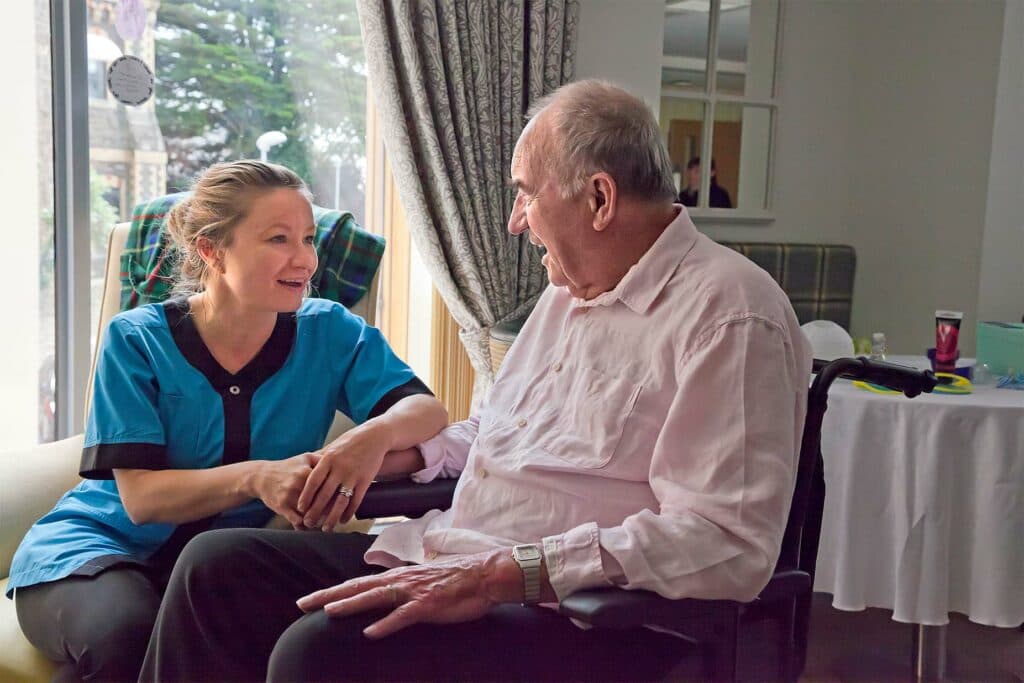
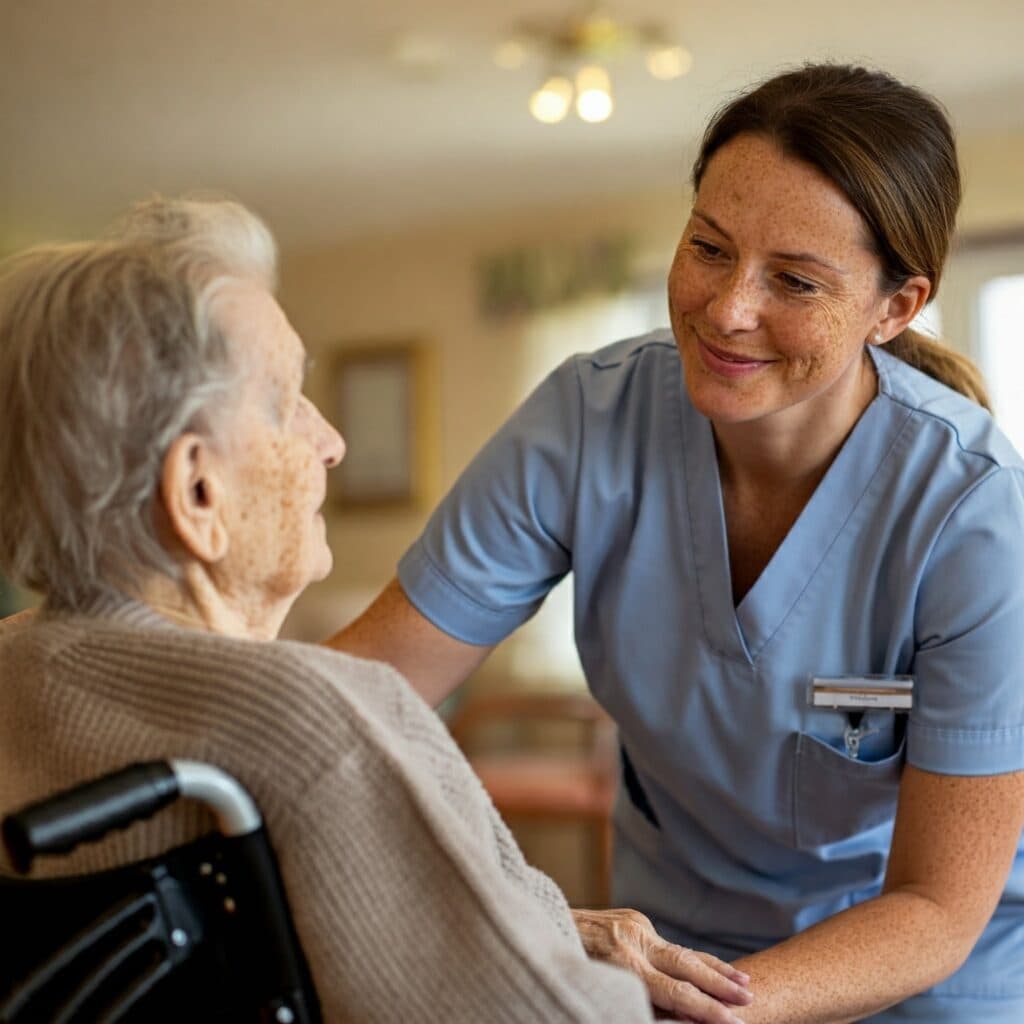
A genuinely personalised approach, rather than a one-size-fits-all routine. At Tŷ Llandaff, this is delivered through a key nursing approach, where each resident has their own allocated nurse who looks after them as a whole person, not just their clinical needs.
The full range of nursing home services on offer, including access to GPs, dentists, opticians, physiotherapists and chiropodists, since ongoing health needs rarely stop at nursing care alone.
Why Ratings and Safety Standards Matter
It's easy to focus purely on facilities when comparing homes, but safety standards behind the scenes matter just as much, if not more. A good nursing home should be able to speak clearly about how it maintains appropriate staffing levels, how it trains and qualifies its nursing staff, and how it follows infection control and medication protocols consistently, not just when it's convenient.
Regular safety audits and clear security measures, such as controls around who can access the building, are also worth asking about directly. These details rarely make it into a glossy brochure, but they're often what separates a genuinely well-run nursing home from one that simply looks the part.
Questions to Ask When Choosing a Nursing Home
Once you've shortlisted a few homes, it's worth asking directly:
- What is the staff-to-resident ratio, particularly overnight?
- How are care plans created, and how often are they reviewed?
- What happens if a resident's health needs change over time?
- What is the home's most recent CIW or CQC rating, and what did it say specifically about nursing care?
- What equipment is available in rooms, such as profiling beds or air mattresses?
- What is the notice period if care needs change or a placement doesn't work out?
Asking these questions upfront tends to save families a lot of uncertainty later, and a good home should be happy to answer all of them clearly.
Nursing Home Services at Tŷ Llandaff
Tŷ Llandaff Care Home in Cardiff provides nursing care 24 hours a day, seven days a week, for residents with physical disabilities, high dependency needs or those requiring end-of-life care. Every resident has an allocated nurse through the home's key nursing approach, supported by customised digital care plans that are reviewed and updated as needs change, alongside nurse call systems and profiling beds where needed.
Residents also have access to GPs, dentists, opticians, physiotherapists and chiropodists, so ongoing health needs are managed without unnecessary disruption or extra appointments elsewhere. Safety and duty of care sit behind all of this, with appropriately trained nursing staff, consistent infection control and medication protocols, and regular safety audits. Tŷ Llandaff holds a 10 out of 10 review score on carehome.co.uk, reflecting consistent feedback from residents and families on the standard of nursing care provided.
How to Get an Elderly Person into a Nursing Home
Once you've decided nursing care is the right step, the practical process can still feel daunting. How to Get an Elderly Person into a Care Home walks through this in more detail, from the initial assessment through to moving in, and is worth reading before you take the next step.
Frequently Asked Questions
What is nursing care in a care home?
Nursing care means a registered nurse is on site 24 hours a day, not just care assistants. It covers administering and managing medication, monitoring health conditions that can change quickly, wound care, and responding immediately to a medical concern, alongside the daily living support provided in general residential care.
Who needs nursing home care?
Nursing home care is typically needed by people with physical disabilities, high levels of dependency, or a chronic health condition requiring regular clinical attention, as well as those needing end-of-life care. It's usually the right choice once medical needs go beyond what general residential care or home support can safely manage.
What is the difference between a care home and a nursing home?
A care home supports daily living needs such as washing, dressing and meals. A nursing home provides that same support plus round-the-clock registered nursing care, medication management and clinical monitoring for residents with more complex health needs.
What rating does Tŷ Llandaff have for nursing care?
Tŷ Llandaff received an Excellent rating across all four key areas, Well-being, Care and Support, Environment, and Leadership and Management, in its most recent Care Inspectorate Wales inspection, alongside a 10 out of 10 review score on carehome.co.uk.
Start the Conversation Today
If several of the things covered here sound familiar, the next step doesn't need to be a big decision made all at once. Book a tour of Tŷ Llandaff in Cardiff, or call the team to talk through your loved one's needs honestly, with no pressure either way. The right nursing home should make this decision feel clearer, not harder, and the sooner that conversation starts, the more options and time you'll have to get it right.